The Plasencia Year Of The Dragon is a medium to full-bodied cigar that captivates with its rich flavors and...
Search in blog
Blog categories
Latest posts
Plasencia Year Of The Dragon Cigar Review
Read more
Quai D'orsay Imperiales - 2022 A Premium Cigar Experience
Read more
The Quai D'orsay Imperiales - 2022 offers a light to medium strength cigar experience with rich flavors. Discover its...
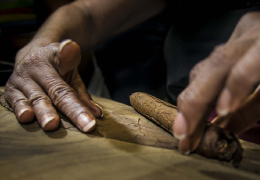
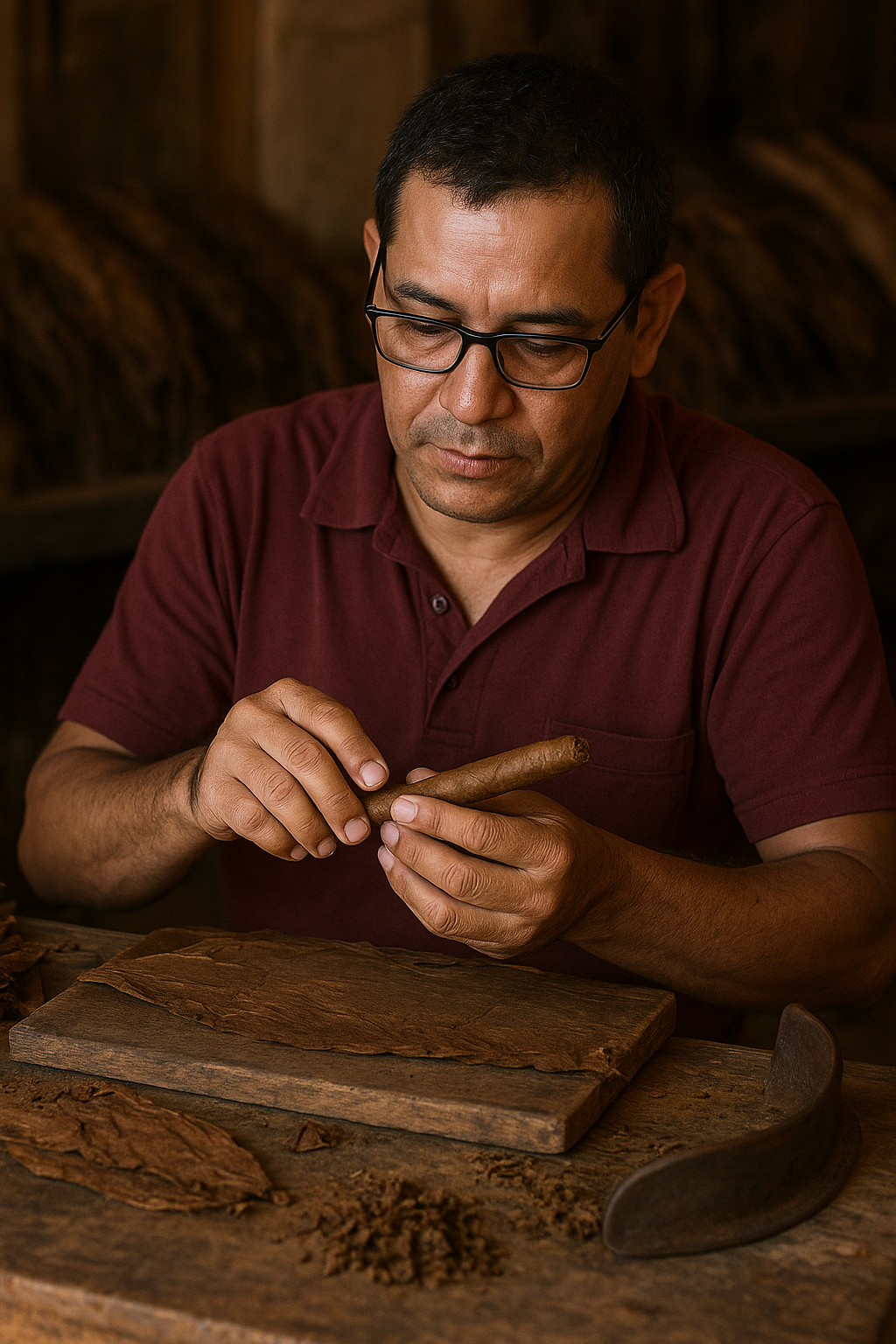
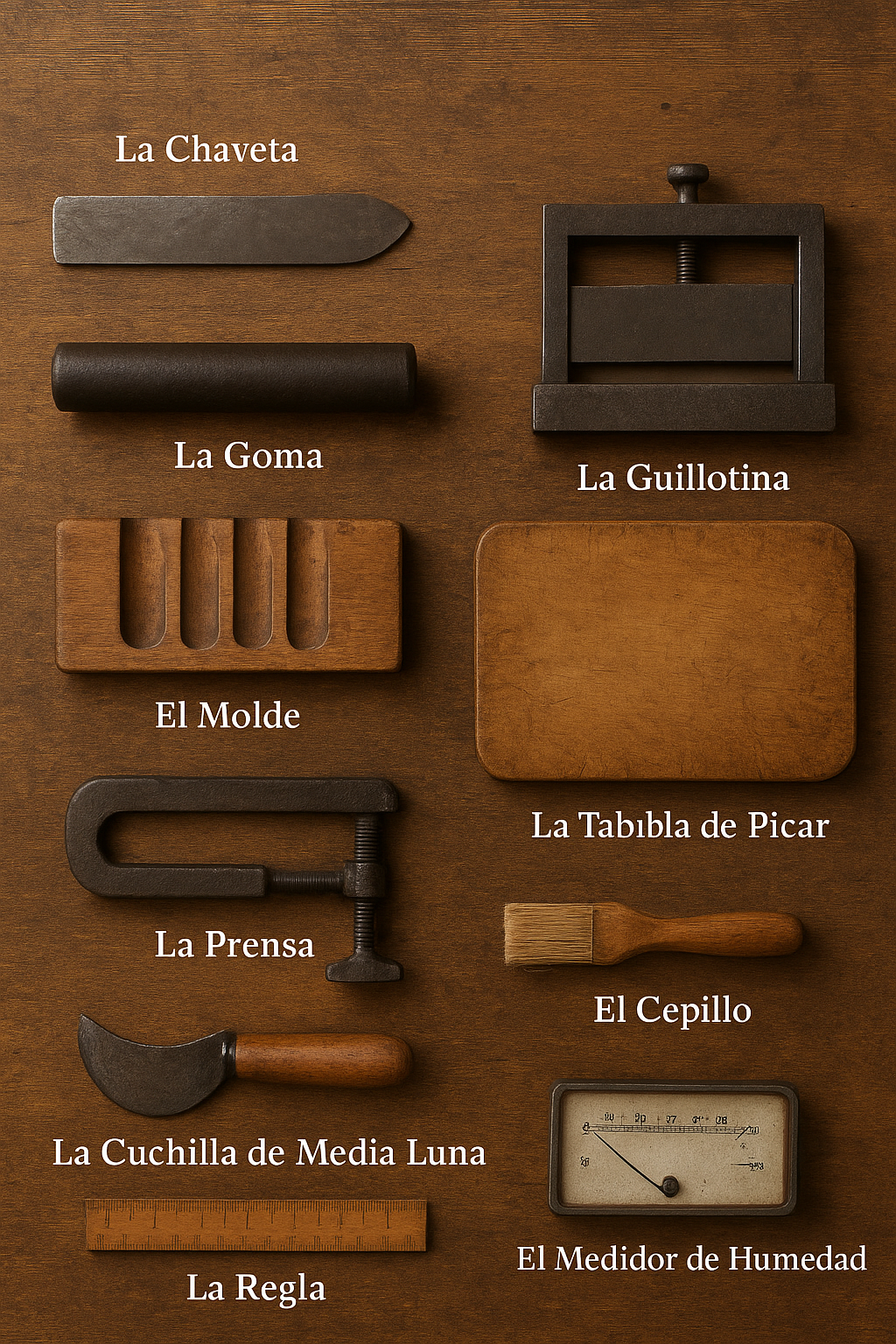
What is a Torcedor?
Read more
A torcedor (Spanish for "twister" or "roller") is a master cigar roller responsible for the entire handmade cigar...
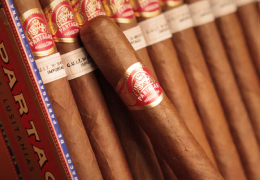
Partagas Lusitanias A Deep Dive into Flavor and Craftsmanship
Read more
Partagas Lusitanias is a premium cigar that embodies the legacy of Cuban craftsmanship. With its full strength, rich...
Romeo y Julieta Cigars
Read more
Romeo y Julieta cigars blend Cuban heritage and balance in a wide range of vitolas. In this guide, discover their...
Popular posts
What is a Torcedor?
A torcedor (Spanish for "twister" or "roller") is a master cigar roller responsible for the entire handmade cigar...
Read more
Romeo y Julieta Cigars
Romeo y Julieta cigars blend Cuban heritage and balance in a wide range of vitolas. In this guide, discover their...
Read more
The History of Cohiba Cigars
Cohiba Cigars represent the pinnacle of Cuban craftsmanship and luxury. Born in the 1960s as Fidel Castro’s personal...
Read more
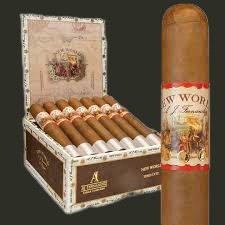
AJ Fernandez New World Connecticut Churchill
The AJ Fernandez New World Connecticut Churchill is a refined cigar that offers a perfect balance of smoothness and...
Read more
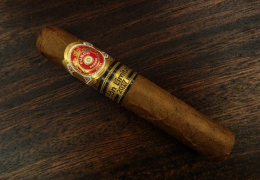
Punch Regios de Punch EL 2017
For the discerning gentleman who demands nothing less than perfection, we present the Punch Regios de Punch (2017) -...
Read more
Featured posts
What is a Torcedor?
A torcedor (Spanish for "twister" or "roller") is a master cigar roller responsible for the entire handmade cigar...
Read more
Romeo y Julieta Cigars
Romeo y Julieta cigars blend Cuban heritage and balance in a wide range of vitolas. In this guide, discover their...
Read more
The History of Cohiba Cigars
Cohiba Cigars represent the pinnacle of Cuban craftsmanship and luxury. Born in the 1960s as Fidel Castro’s personal...
Read more
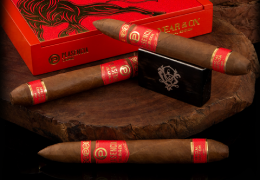
Plasencia Year of the Ox
This monumental 6 1/2" x 60 Gordito is not merely a cigar; it is a limited-edition work of art, released to celebrate...
Read more
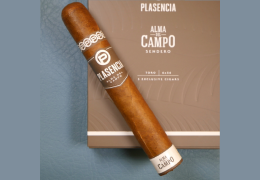
Plasencia Alma del Campo Sendero Toro Gordo
Plasencia Alma del Campo Sendero Toro Gordo – a cigar that represents six generations of tobacco-growing expertise in...
Read more
Blog tags
No featured images
Archived posts
Top authors